
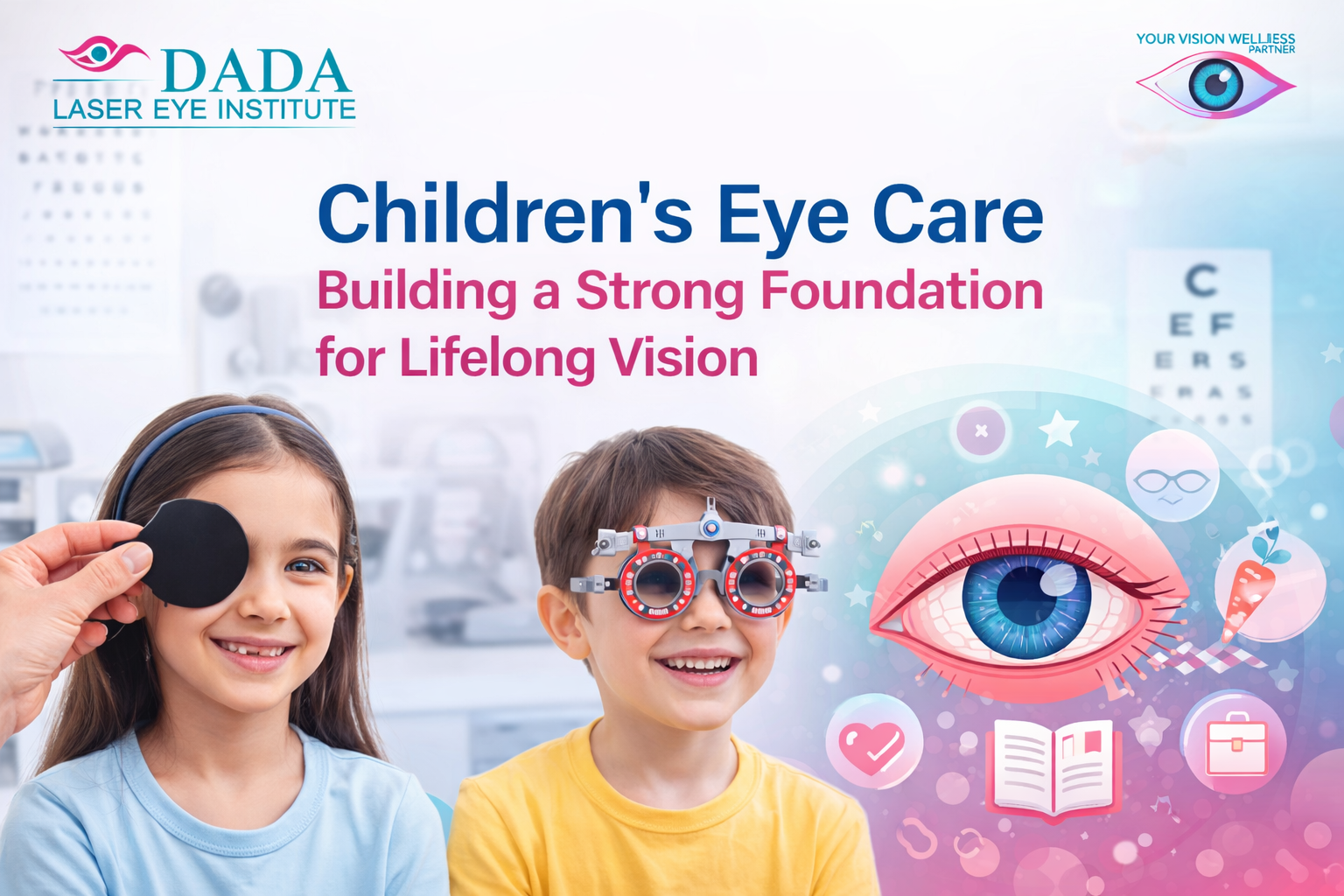
Healthy vision plays a vital role in a child’s physical, emotional, and cognitive development. From reading and writing to playing sports and social interaction, clear eyesight supports almost every aspect of learning and growth. However, many childhood eye problems often go unnoticed because children may not realize they are seeing poorly or may not be able to express their visual difficulties clearly.
According to global eye health studies, nearly 80 percent of learning in children happens through vision, making early eye care essential. Regular pediatric eye examinations and early intervention can help identify problems before they affect academic performance or lead to permanent vision impairment. Investing in children’s eye care today helps build a strong foundation for healthy vision throughout life.
Why Children’s Eye Care Is So Important
A child’s visual system continues to develop from birth through the early teenage years. During this critical period, undetected vision problems can interfere with normal eye development and brain-eye coordination. Unlike adults, children may adapt to poor vision without complaining, which is why routine eye check-ups are crucial even if no obvious symptoms are present.
Good vision supports concentration, reading skills, hand-eye coordination, and confidence in school and daily activities. Early diagnosis ensures timely treatment and reduces the risk of long-term visual disability.
Common Eye Conditions in Children
Several eye conditions commonly affect children, many of which can be corrected or managed effectively if detected early.
Refractive Errors
Refractive errors such as nearsightedness, farsightedness, and astigmatism are among the most common vision problems in children. These conditions cause blurred vision and may lead to headaches, eye strain, or difficulty concentrating in class.
Lazy Eye (Amblyopia)
Lazy eye occurs when one eye does not develop normal vision, often due to unequal refractive power, squint, or obstruction of vision. If untreated during early childhood, amblyopia can result in permanent vision loss in the affected eye.
Squint (Strabismus)
Squint is a condition where the eyes are not properly aligned. One eye may turn inward, outward, upward, or downward. Early treatment helps prevent amblyopia and supports proper binocular vision development.
Eye Infections and Allergies
Children are prone to eye infections such as conjunctivitis and allergic eye conditions. These can cause redness, itching, discharge, and discomfort. Prompt treatment prevents complications and discomfort.
Warning Signs Parents Should Watch For
Parents and caregivers play a key role in identifying early signs of eye problems. Some common warning signs include:
- Frequent eye rubbing or blinking
- Complaints of headaches or eye pain
- Squinting or closing one eye while reading or watching screens
- Sitting too close to the television or holding books very close
- Poor academic performance or lack of interest in reading
- Sensitivity to light or excessive tearing
If any of these signs are noticed, a comprehensive eye examination should be scheduled without delay.
When Should Children Have Their First Eye Exam?
Eye care should begin early in life. Most eye specialists recommend the first eye examination between 3 and 4 years of age, or earlier if there is a family history of eye problems or noticeable symptoms. Vision screening before school entry is especially important to ensure a child is ready for learning.
After the first exam, routine eye check-ups should be conducted every 1 to 2 years, or as advised by an eye specialist, to monitor visual development and detect changes early.
The Impact of Screen Time on Children’s Eyes
With the rise of digital learning and recreational screen use, children are spending more time than ever on smartphones, tablets, and computers. Excessive screen time can contribute to digital eye strain, dryness, headaches, and reduced blinking.
Parents should encourage healthy screen habits such as regular breaks, proper screen distance, and limiting recreational screen time. The 20-20-20 rule can also be helpful for children: every 20 minutes, look at something 20 feet away for 20 seconds.
Role of Outdoor Play and Nutrition in Eye Health
Outdoor activities play a protective role in children’s eye health. Studies suggest that spending time outdoors may reduce the risk of developing myopia. Natural light and distance viewing help support healthy eye development.
Balanced nutrition is equally important. A diet rich in vitamins A, C, E, omega-3 fatty acids, and zinc supports eye health. Including green leafy vegetables, fruits, eggs, fish, and nuts in a child’s diet contributes to overall visual wellness.
Treating Eye Problems in Children
Most childhood eye conditions are highly treatable when detected early. Treatment options may include prescription glasses, patching therapy for lazy eye, vision therapy, medications for infections, or surgical correction in certain cases such as squint.
Early intervention not only improves vision but also enhances a child’s confidence, academic performance, and quality of life.
FAQs – Children’s Eye Care
When should a child have the first eye exam?
Children should have their first comprehensive eye exam by the age of 3 to 4 years, or earlier if symptoms or risk factors are present.
Can screen time affect children’s eyes?
Yes. Excessive screen use can cause eye strain, dryness, headaches, and reduced blinking, especially without proper breaks.
What are common signs of vision problems in children?
Squinting, frequent eye rubbing, headaches, sitting too close to screens, and learning difficulties may indicate vision issues.
Can lazy eye be treated?
Yes. Lazy eye can be effectively treated if detected early, especially during the critical years of visual development.
How often should children get eye check-ups?
Children should undergo eye examinations every 1 to 2 years or as recommended by an eye specialist.
Conclusion
Children’s eye care is an essential investment in their future. Many vision problems can be corrected or managed successfully when detected early, preventing long-term complications and supporting healthy development. Regular eye exams, healthy screen habits, outdoor play, and balanced nutrition all contribute to strong visual foundations.
By prioritizing early eye care and seeking timely professional guidance, parents can ensure their children enjoy clear, comfortable vision that supports lifelong learning and well-being.